Promoting labour rights, social protection, and dignified working conditions for migrant communities.
About
Millions of migrant workers in India’s informal economy face unsafe working conditions, exploitation, and limited access to legal protection. Through this programme, MAP supports inter-state migrant workers in Delhi and neighbouring regions with legal awareness, assistance, documentation support, dispute resolution, and labour rights awareness.
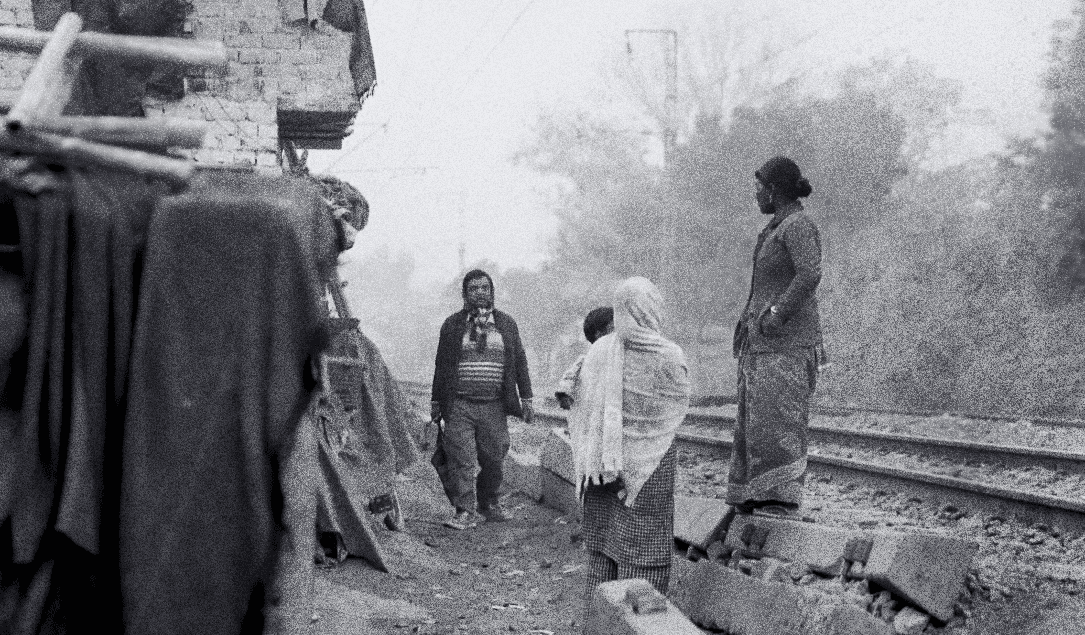
Migrant workers, primarily from states such as Uttar Pradesh, Bihar, Rajasthan, Jharkhand, West Bengal, and Chhattisgarh, leave home in search of livelihoods and opportunity. They often find work in the informal economy: construction work, domestic help, factory labour, street vending, and daily-wage work.
Wages are low and protections are limited. While their labour powers India's cities and industries, they remain on the margins of institutions, facing barriers to justice, social protection, and basic services.
Where we work
MAP has a presence in 19 underserved settlements across Delhi-NCR, including Bhajanpura, Kanchan Kunj, Khirkee, Jal Vihar, among others, characterised by concentrated socio-economic disadvantage and inadequate access to public infrastructure and services
How we work
A migrant worker arrives in the city carrying little more than a phone number, a contractor’s promise, and the hope of stable work. Long hours, withheld wages, unsafe conditions, and exploitation are often treated as unavoidable realities of survival.
Through community outreach, legal awareness sessions, and workers’ collectives, MAP helps workers understand their rights, recognise labour violations, and learn that exploitation is not inevitable.
MAP helps workers secure documentation, access labour and social security entitlements, and navigate pathways to healthcare, compensation, and State support systems.


MAP steps in with immediate legal and procedural support. Through paralegals, lawyers, informal mediation support, and legal aid, workers are assisted in filing complaints, negotiating disputes.
For matters that require court representation, MAP runs an early-career Fellowship for lawyers specialising in labour issues who provide comprehensive support through the court process.
Simultaneously, MAP also has a focus on research, policy engagement on labour rights and migration, MAP works to strengthen accountability within labour systems for those who remain invisible on the margins.
Impact
Everyday Justice:
MAP's work
in Jal Vihar
Sukumar. Bharti Devi. Gautam. Their stories reflect the everyday realities of work in Jal Vihar, marked by precarity, wage loss, unsafe conditions, and barriers to justice. They also reflect the experiences of many workers across the country, navigating exploitation and limited access to support.
On International Labour Day, we’re reflecting on why access to justice must be part of labour rights.
At MAP, we work to ensure that people are not left to navigate these systems alone by building legal awareness, strengthening community-based support, and creating pathways for workers to exercise their rights.