Launched in 2013, MAP’s pilot programme supports forcibly displaced persons and vulnerable communities in accessing documentation, legal support, and essential services in India.
In contexts where UNHCR facilitates status recognition and related assistance, MAP helps individuals and families navigate administrative and legal processes, while strengthening access to protection and inclusion.
How we work
A forcibly displaced woman arrives in Delhi after fleeing conflict and persecution, carrying little more than fragmented documents, uncertainty, and the responsibility of keeping her family safe.
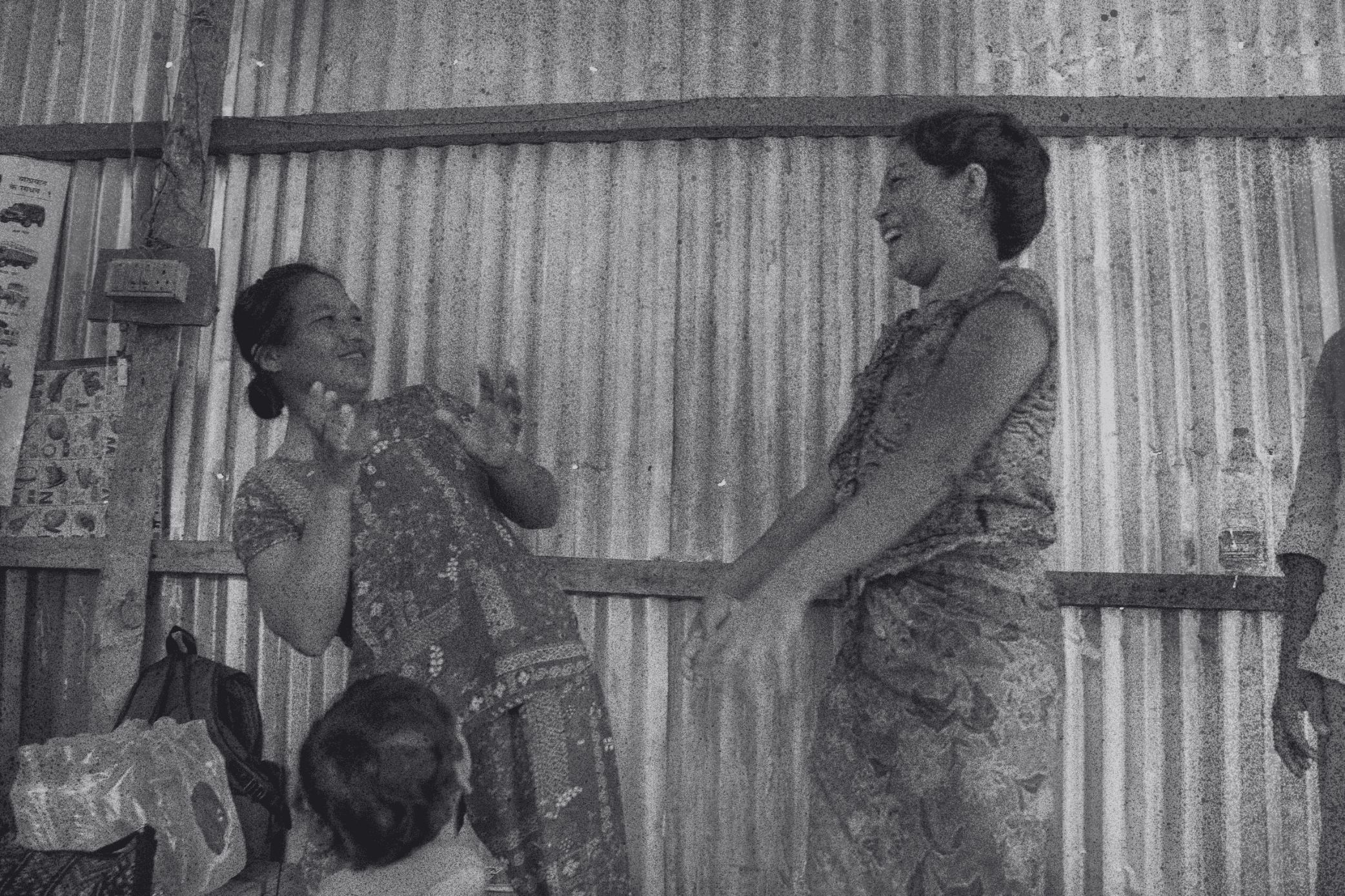
Through community outreach, legal literacy sessions, and trusted community networks, MAP helps her understand her rights, available protections, and the pathways open to her.
She is connected to MAP’s legal and protection services, where language, documentation barriers, and unfamiliar systems become easier to navigate.
MAP supports documentation, healthcare, psychosocial care, and referrals to appropriate protection mechanisms and partner organisations to ensure holistic support.


As immediate risks stabilise, MAP works alongside community and international partners to support longer-term pathways towards safety and inclusion: from education and family reunification to labour mobility, livelihood opportunities, and skill-building support
MAP engages institutions, protection systems, and policy actors to strengthen protection frameworks, improve access to rights and services, and ensure displaced communities are not excluded from systems meant to protect them.
Sadaf's Journey:
Finding Home
What does home mean to you? For Sadaf, a community volunteer and interpreter who previously volunteered with MAP, it meant 'the same that it does to millions of others who have lost theirs…'.
Learn more about Sadaf's journey and the road that lies ahead!
Impact